Talking to your landlord about an Emotional Support Animal (ESA) can feel intimidating, especially if your building has a strict no-pet policy. However, understanding your rights and approaching the conversation the right way can make the process smooth and stress-free.
In this guide, you’ll learn how to talk to your landlord about an ESA, what to say, how to prepare, and how to handle objections — all while staying compliant with housing laws.
What Is an Emotional Support Animal (ESA)?
An Emotional Support Animal (ESA) is a companion animal that provides comfort and emotional stability to individuals with mental or emotional health conditions such as anxiety, depression, PTSD, or stress disorders.
Unlike service animals, ESAs do not require specialized training, but they must be supported by a valid ESA letter from a licensed mental health professional.
Why You Need to Talk to Your Landlord About an ESA
Even though ESAs are protected under housing laws, landlords still need to be informed. Having an open and respectful conversation ensures:
Transparency and trust
Faster approval process
Reduced chances of conflict
Legal compliance with housing rules
Know Your ESA Housing Rights
Before approaching your landlord, it’s important to understand your legal protections.
Under the Fair Housing Act (FHA):
Landlords must provide reasonable accommodation for ESAs
No-pet policies cannot be enforced against ESA owners
Pet fees and deposits cannot be charged for ESAs
However, landlords can deny requests if:
The ESA poses a direct threat to others
The animal causes significant property damage
Proper documentation is not provided
How to Prepare Before Talking to Your Landlord
Preparation is key to a successful conversation. Here’s what you should do:
1. Get a Legitimate ESA Letter
Make sure you have a valid ESA letter from a licensed mental health professional. This is the most important document in the process.
2. Understand Your Lease Agreement
Review your lease to understand pet policies and clauses related to animals.
3. Gather Supporting Documents
Prepare:
ESA letter
Vaccination records
Basic pet information
4. Plan Your Approach
Decide whether to talk in person, email, or submit a formal request letter.
How to Talk to Your Landlord About an ESA
When it’s time to speak with your landlord, follow these steps:
Be Honest and Direct
Explain that you have a medical need for an Emotional Support Animal. Keep your explanation simple and respectful.
Provide Documentation
Present your ESA letter clearly and professionally. This shows legitimacy and seriousness.
Stay Calm and Professional
Even if your landlord is hesitant, remain calm and avoid confrontation.
Focus on Responsibility
Reassure your landlord that:
Your ESA is well-behaved
You will maintain cleanliness
You will follow property rules
Sample Script to Talk to Your Landlord
Here’s a simple example you can use:
“I wanted to let you know that I have been prescribed an Emotional Support Animal by a licensed professional. I have the proper documentation and would like to request reasonable accommodation under housing laws. I’m happy to answer any questions and ensure everything goes smoothly.”
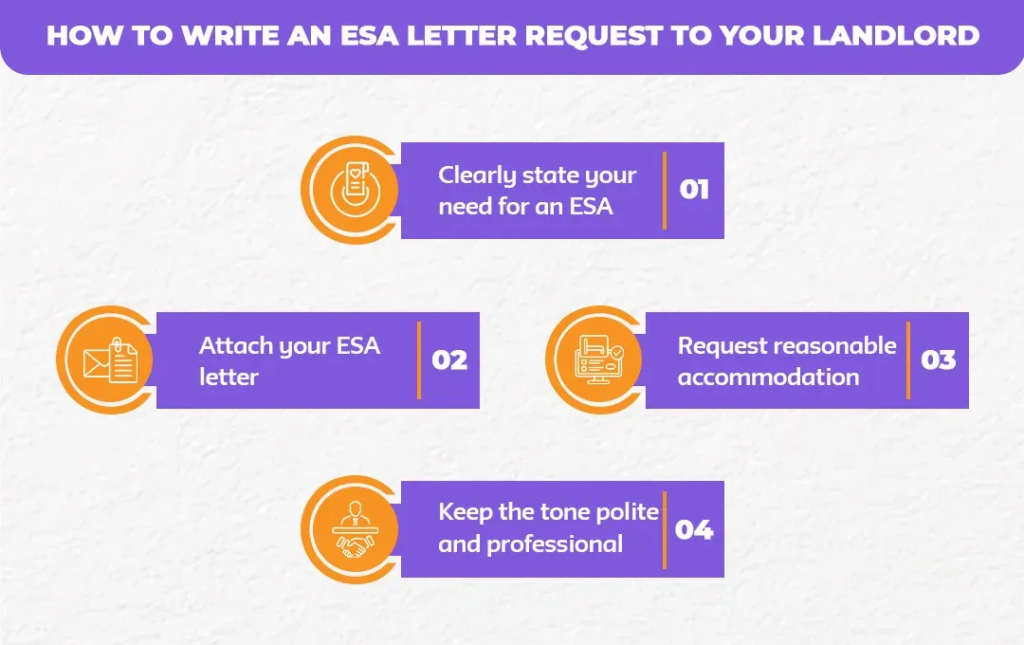
How to Write an ESA Letter Request to Your Landlord
If you prefer written communication, send a formal request:
Clearly state your need for an ESA
Attach your ESA letter
Request reasonable accommodation
Keep the tone polite and professional
Common Landlord Concerns and How to Address Them
Landlords may have concerns. Here’s how to handle them:
Concern: Property Damage
Response: Assure them your ESA is well-behaved and you will cover any damages if they occur.
Concern: Noise or Disturbance
Response: Explain your ESA is calm and well-behaved.
Concern: Other Tenants
Response: Emphasize that your ESA will not interfere with others.
How Can Landlords Get Around ESA Animals?
This is a common concern. While landlords must follow the law, they may deny ESA requests under certain conditions:
The ESA poses a safety risk
The tenant fails to provide valid ESA documentation
The housing provider is exempt from FHA rules (e.g., small owner-occupied buildings)
To avoid issues:
Always provide a legitimate ESA letter
Follow all housing rules
Maintain your animal’s behavior and hygiene
Mistakes to Avoid When Talking to Your Landlord
Avoid these common errors:
Not having a valid ESA letter
Being confrontational or aggressive
Hiding your ESA from the landlord
Ignoring lease agreements
Providing fake or online-generated documents without proper evaluation
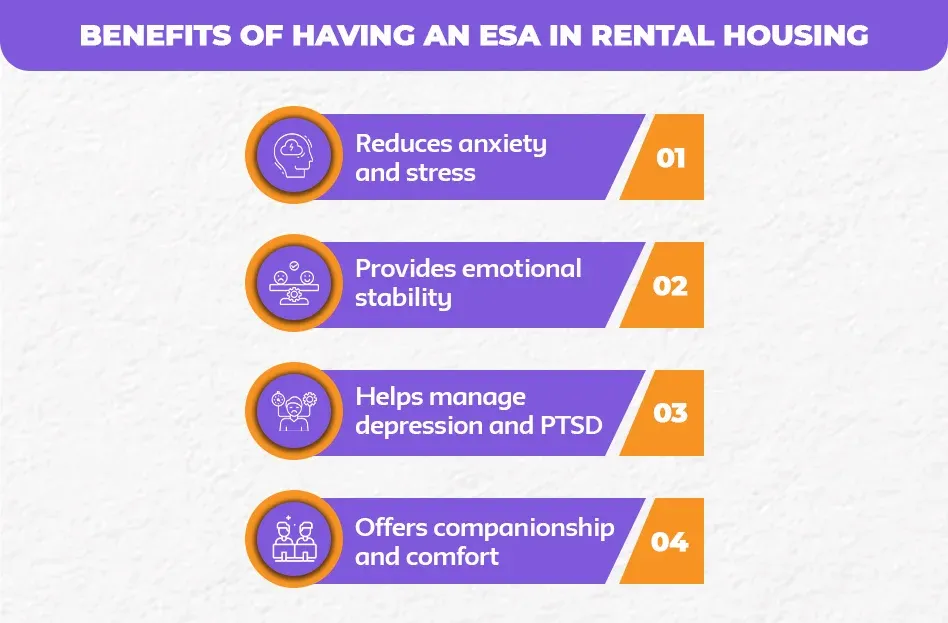
Benefits of Having an ESA in Rental Housing
Having an ESA can significantly improve your quality of life:
Reduces anxiety and stress
Provides emotional stability
Helps manage depression and PTSD
Offers companionship and comfort
Get Your ESA Letter Today
Talking to your landlord is much easier when you have the right documentation. Get a legitimate ESA letter from trusted professionals at PetESALetter and ensure your housing rights are protected.
Visit petesaletter.com today to:
Get approved for an ESA letter quickly
Speak with licensed professionals
Secure your housing rights without stress
Your emotional support companion can make a life-changing difference — start your journey today with PetESALetter.
FAQs